
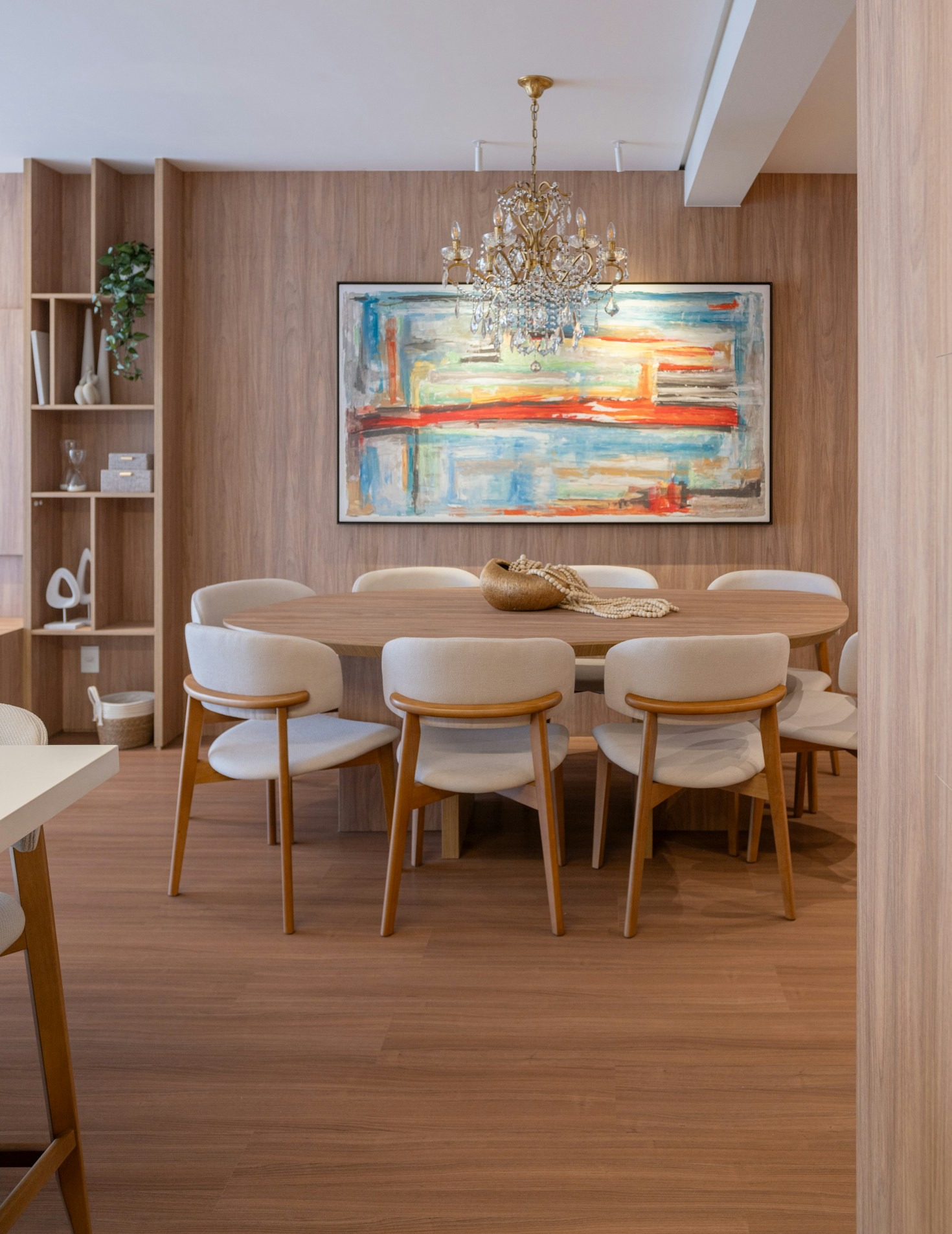
A living room rug does more than add colour. It can define the seating area, soften hard flooring and make furniture placement feel more intentional. The main decisions are size, material, pile height and where the rug sits under the furniture.
Start with the right rug size
The most common mistake is buying a rug that is too small. A rug should visually connect the sofa, chairs and coffee table rather than float by itself in the middle of the room.
| Room setup | Practical approach |
|---|---|
| Small living room | Place at least the front legs of the sofa and chairs on the rug |
| Medium room | Use a rug large enough to sit under the front half of the main seating |
| Large open room | A larger rug with all furniture legs on it can clearly define the zone |
Before buying, mark the proposed rug dimensions on the floor with painter’s tape. This simple step is much more reliable than guessing from a product photo.
Compare rug materials
Wool
Wool is durable, comfortable and naturally resilient, making it a strong option for living rooms that get regular use. It usually costs more upfront, so it suits buyers who want longevity rather than the lowest purchase price.
Polypropylene and other synthetics
Synthetic rugs are often cheaper and easier to clean. They can work well in homes with children, pets or frequent spills. Quality varies widely, so check the backing, edge finishing and pile density rather than judging by appearance alone.
Cotton
Cotton rugs are generally lighter and easier to move. They can suit casual rooms, though thinner versions may need a non-slip underlay and may not feel as substantial as wool.
Jute and sisal
Natural plant-fibre rugs add texture and suit relaxed interiors. They can feel rougher underfoot and may not be the best choice where softness or easy stain removal is the priority.
Low pile or high pile?
- Low pile: easier to vacuum, better for busy rooms and less likely to interfere with doors or furniture.
- Medium pile: a good balance between softness and maintenance.
- High pile or shag: very soft, but harder to clean and more likely to trap dust and crumbs.
Placement rules that usually work
- Centre the rug around the main seating area, not necessarily the entire room.
- Keep furniture placement symmetrical where possible.
- Leave a visible border of flooring around the rug rather than pushing it hard against every wall.
- Use a rug pad if the rug slips, bunches or needs extra cushioning.
How to choose quickly
If you want the safest all-round choice, start with a medium-to-large low or medium pile rug in a durable material. Choose a colour or pattern that connects with existing furniture rather than forcing you to redecorate the whole room around the rug.
If the room still feels cold after changing the rug, our budget-friendly decor swaps can help you add warmth without replacing major furniture.
Frequently asked questions
Should the sofa sit completely on the rug?
It can, but it does not have to. In many average living rooms, placing the front legs of the sofa and chairs on the rug creates a connected look without needing an oversized rug.
Is a patterned rug harder to style?
Not necessarily. A patterned rug can hide small marks and add interest to a neutral room. Keep the rest of the palette relatively simple if the rug is visually strong.
Bottom line: get the size right first, then choose the material and pile based on maintenance, comfort and budget.
2 responses to “Living Room Rug Comparison Guide: Size, Material and Placement”
[…] For a broader room refresh, see our budget-friendly decor swaps and living room rug guide. […]
[…] Also, think about themes that resonate with you. Are you drawn to nature, architecture, or vintage concepts? Creating a focal point with art is just one method to upgrade your space. You can pair this approach with insights from our article on budget-friendly decor swaps to stretch your dollar even further. Lastly, remember that art should balance the room’s textures, often complimenting elements from the floor up, like those covered in our ultimate living room rug comparison guide. […]